
After almost two weeks in Japan, I’m finally recovered from jetlag that made me feel like I had a virus for four days and turned my brain to mush.
I’m still processing all that we saw and experienced. Here are some initial observations:
- Everything in Japan is small, including the people, food, and cars.
- The Japanese people are gracious and humble, always offering to let the other person go first. I love the way they extend their hand for you to go ahead or to take an open seat on the train. We Americans can learn from this.
- Japan is a very clean country! Few public trash cans are available, so you are expected to pack out whatever trash you create. I saw little trash on the streets and the public transportation, from taxis to trains, was spotless.
- The commodes are awesome, even in public restrooms. Most include bidets, heated seats and even music to mask any (ahem) noises you might make. When I came home, I was insulted that my commode lid did not automatically open for me when I walked into the bathroom.
Although the toilets were amazing, we were there for weightier topics, including looking at how Japan and the Japanese Baptist churches have recovered from the devastation of the atomic bombs in 1945 and their efforts toward peace.
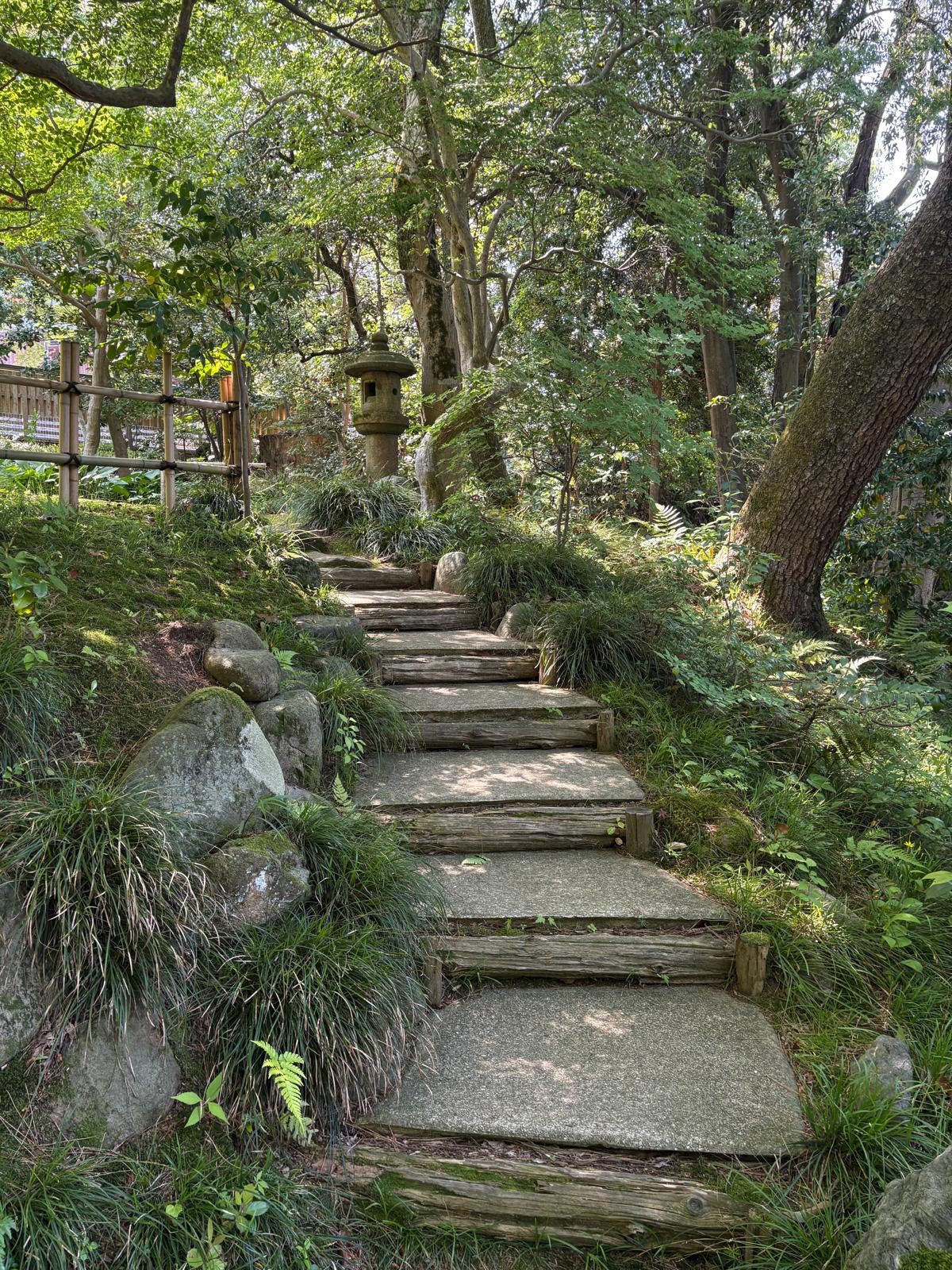
On our first day in Kanazawa, my theme for the trip was introduced to me. We attended a traditional tea ceremony, held in a small wooden building nestled in a peaceful garden.
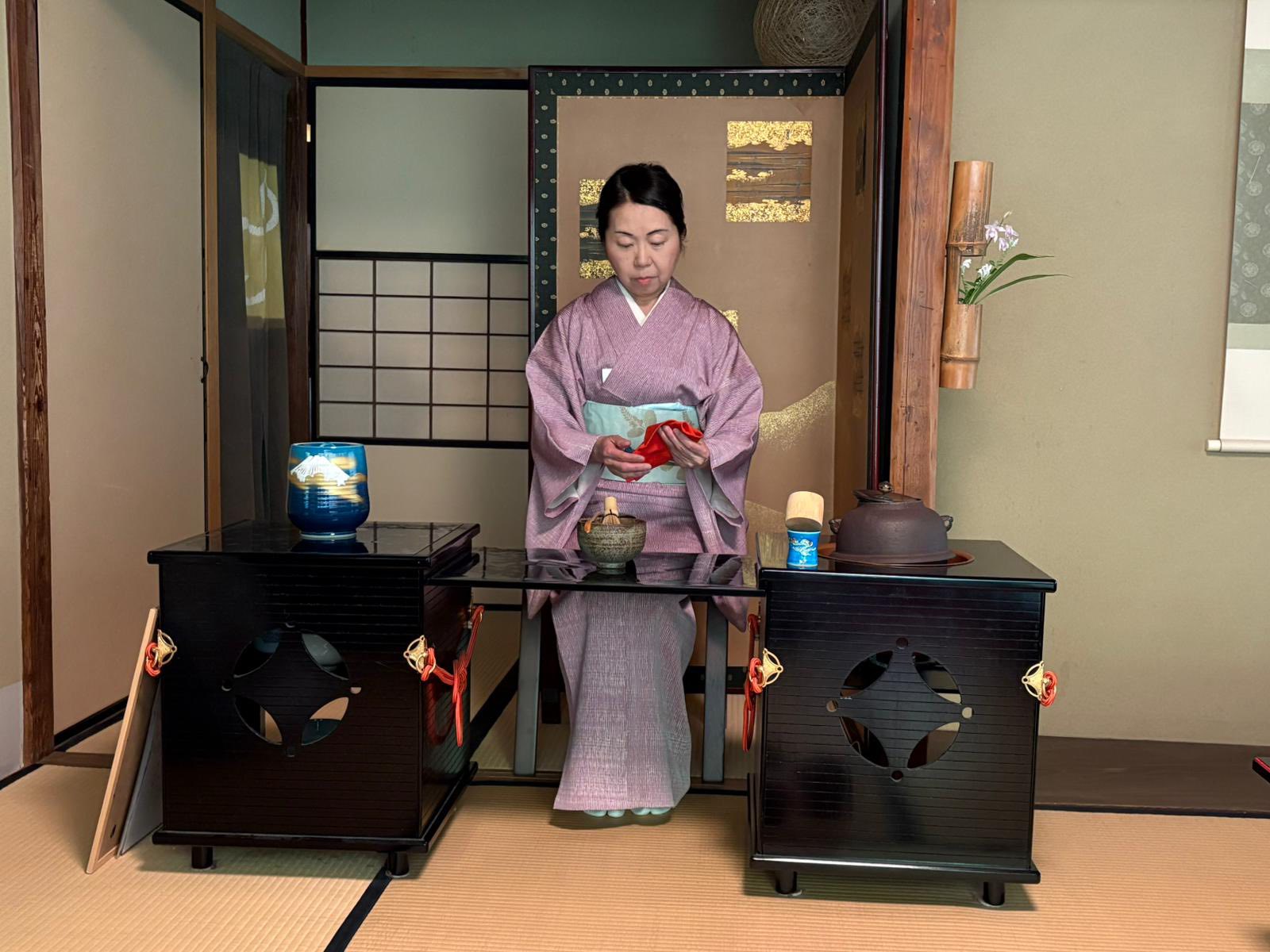
Our hostesses, two graceful women wearing traditional kimonos, directed us to ceremonially wash our hands at an outside basin, remove our shoes, and settle down on benches in the simple room with tatami mats on the floor.

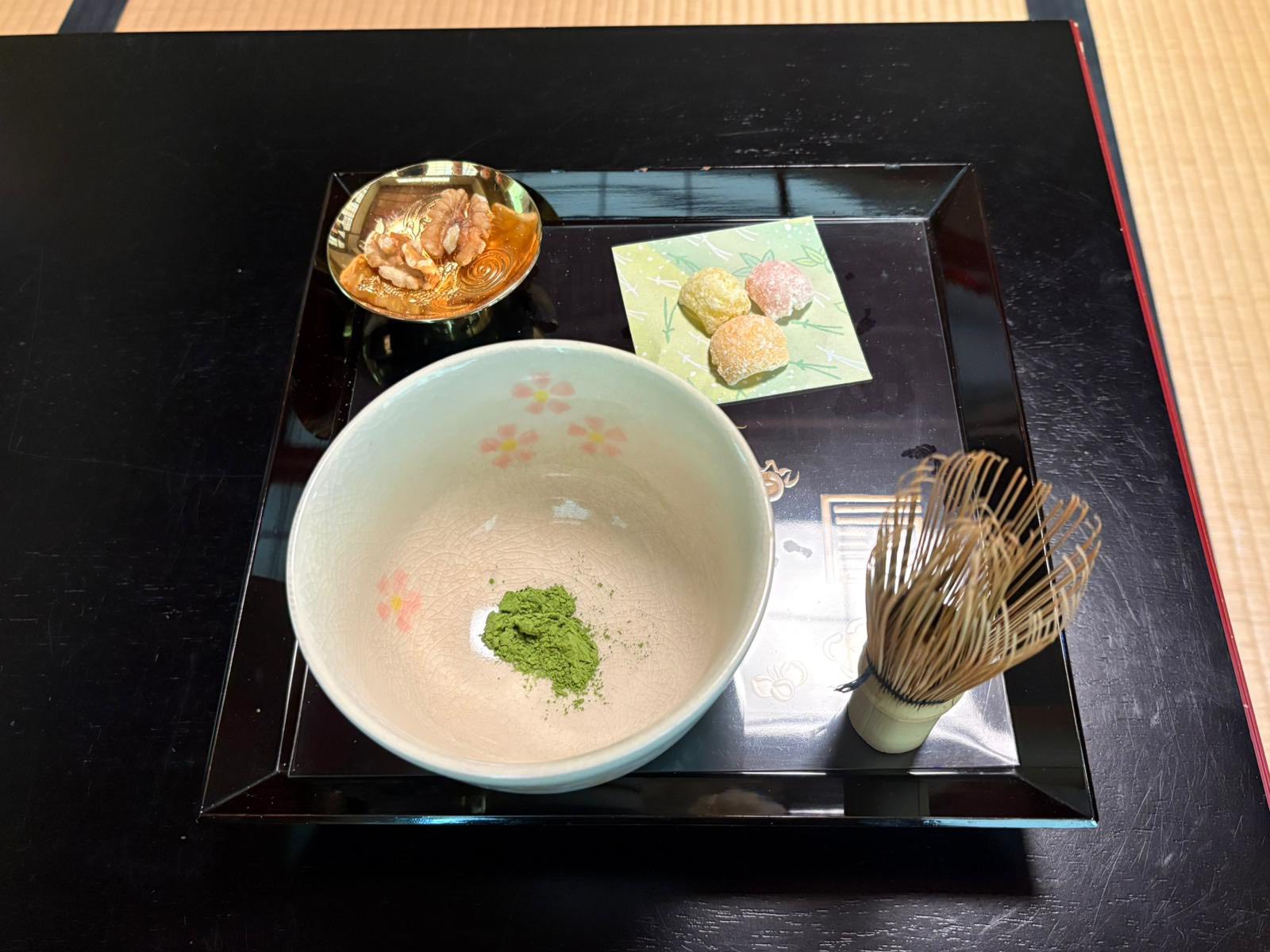
We were each given a tray with a beautiful ceramic bowl containing green tea powder, a whisk and a small sweet.
Slowly and with purpose, our hostess poured hot water into our bowls and instructed each of us in the proper procedure. We repeated her words as we slowly bowed, thanked her, drank, and offered the bowl to the person next to us.
As we began the centuries’ old ritual, the hostess explained the concept of Ichigo Ichie, pronounced ee-chee-goh ee-chee-eh.
“You will never be in this space with these people again,” she said. “Put aside all other thoughts of what has come before and what you will do after. Appreciate this moment.”
Ichigo ichie, ‘one time, one meeting,’ became my mantra during my time in Japan. I gave up trying to remember all the details of the many historic places we visited and was too tired each night to keep up with my journal. I focused on being, instead of doing, soaking in the culture and people around me in this once-in-a-lifetime opportunity.
Traveling gives us the chance to get away from our daily chores and responsibilities, and to focus on the moment. Instead of turning to my phone to pass the time on the train or tram, I watched the scenery. I wondered about the lives of the people around me. I wore what was in my suitcase and ate at the restaurants that were suggested by our wonderful translators and guides, Carson and Mirea. Daily cares were pushed to the side.
Jesus said something similar to ichigo ichie in his Sermon on the Mount. Why are you worrying so much about what you are going to wear or eat? he asks. Instead:
“Give your entire attention to what God is doing right now, and don’t get worked up about what may or may not happen tomorrow. God will help you deal with whatever hard things come up when the time comes.” Matt. 6:34, MSG
I hope that ichigo ichie has permeated my being at least a little. I’m striving to keep the spirit of it now that I’m back to my life and its everyday challenges.
I want to be a better listener, be more present with the people in my life, and appreciate the small gifts that show that God is with me. I don’t want to waste my time worrying about what may or may not happen tomorrow. I want to remember that God will be with me in whatever hard things come up.
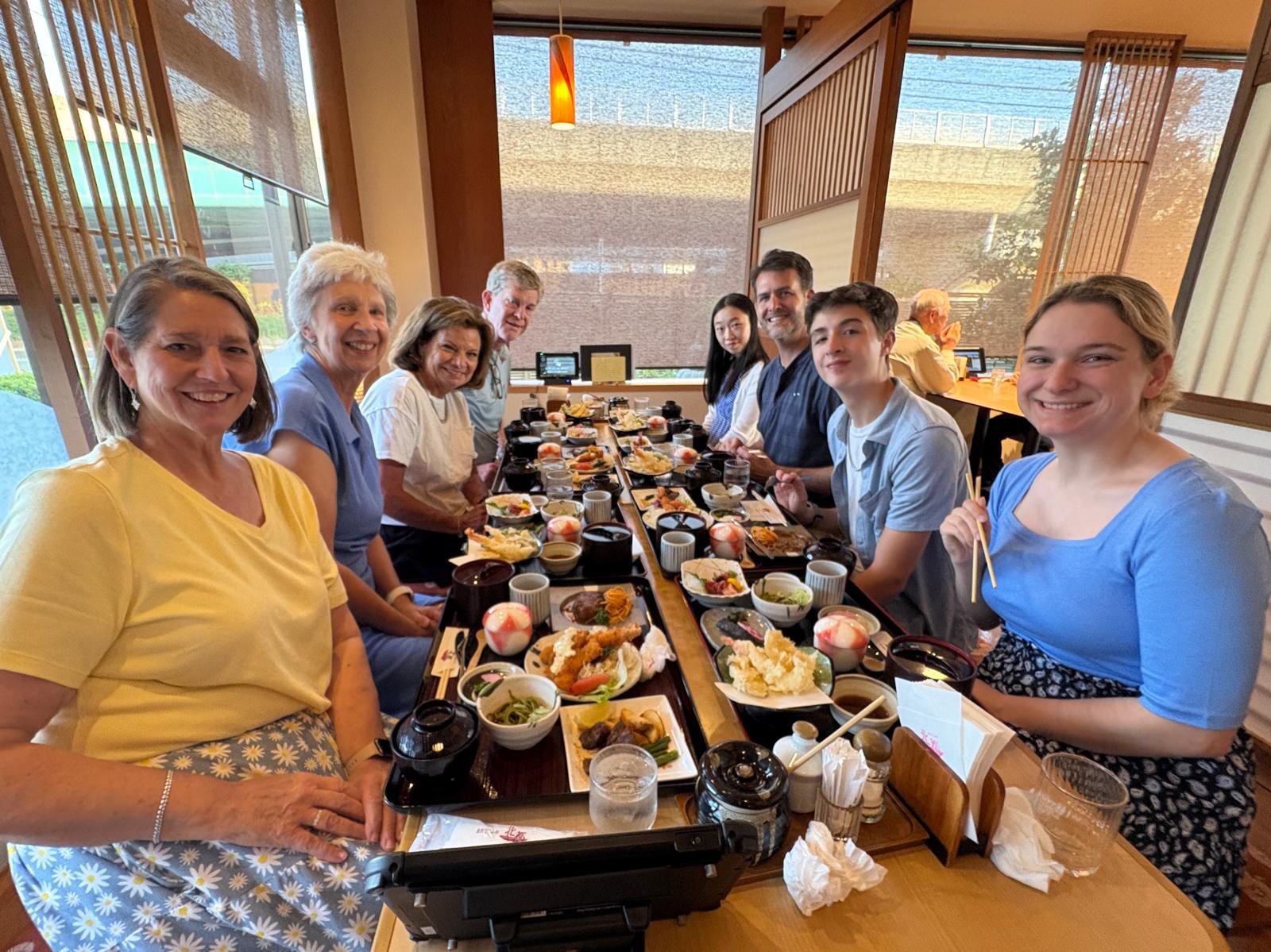
Next time: Encountering Lottie Moon in Hiroshima


Millicent, this is one of your best. It was a wonderful reminder to me. I even printed it to re-read frequently. Thank you!Sent from my iPhone Donna Bledsoe
LikeLike
Thank you, that means a lot!
Sent from AT&T Yahoo Mail for iPhone
LikeLike
“I don’t want to waste my time worrying about what may or may not happen tomorrow. I want to remember that God will be with me in whatever hard things come up.” Oh, if only we could remember this every day!
LikeLike
“I don’t want to waste my time worrying about what may or may not happen tomorrow. I want to remember that God will be with me in whatever hard things come up.” Oh, if only we could remember this every day!
LikeLike